Food
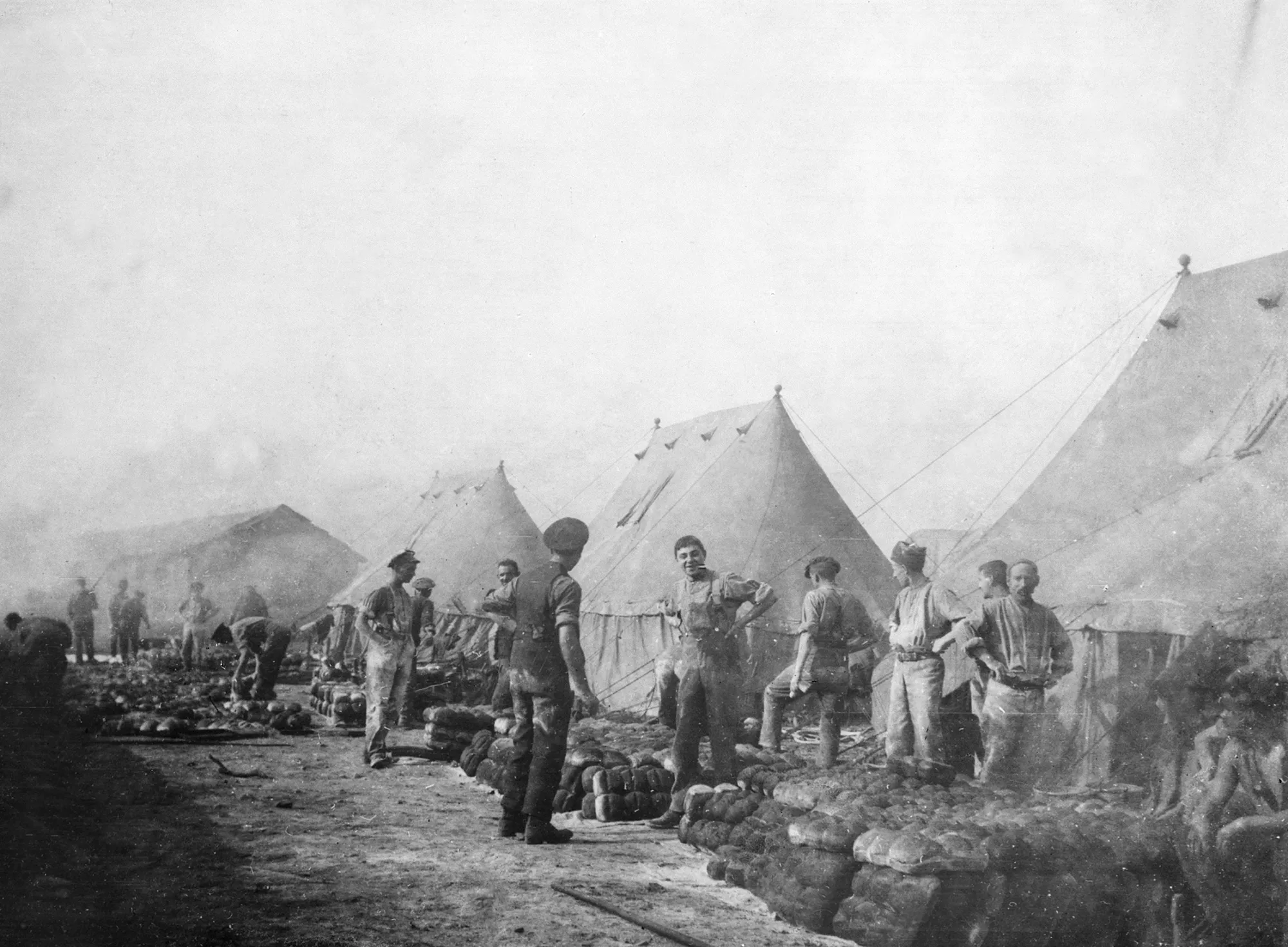
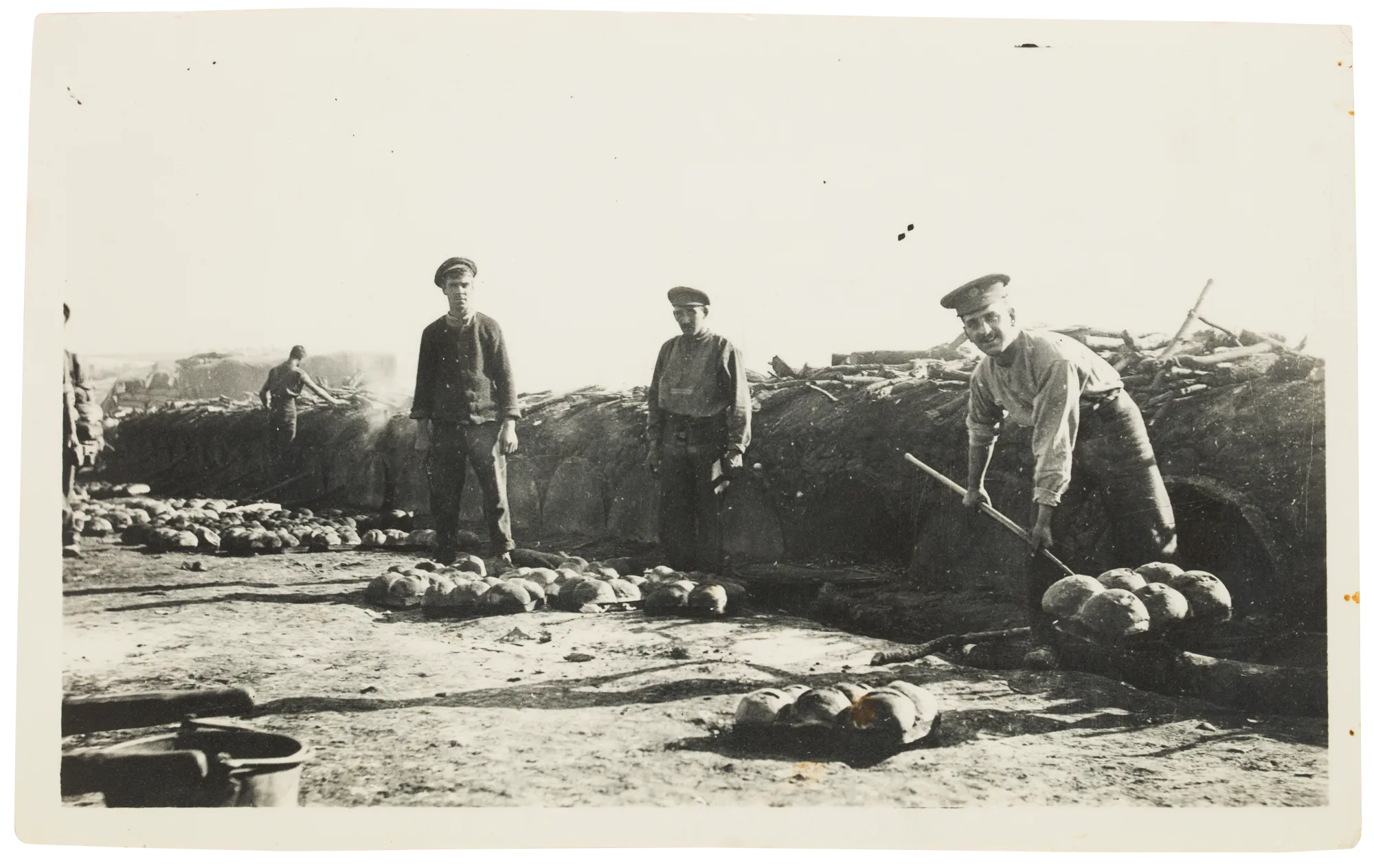
The AIF’s ration system meant personnel should have adequate food, but certain conditions affected this. At Gallipoli, food often lacked range, quality and suitability. Without camp cooks and kitchens, troops had to prepare their own meals. Eventually, bread baked on nearby Imbros supplemented their diet.
Things were better on Lemnos. Still, when 3AGH arrived in August, nurses could find little more than bully beef, hard biscuits and sour bread to feed themselves and their patients. Staff Nurse Lucy Daw said the hospital kitchen ‘cooked abominably and served shockingly!’.
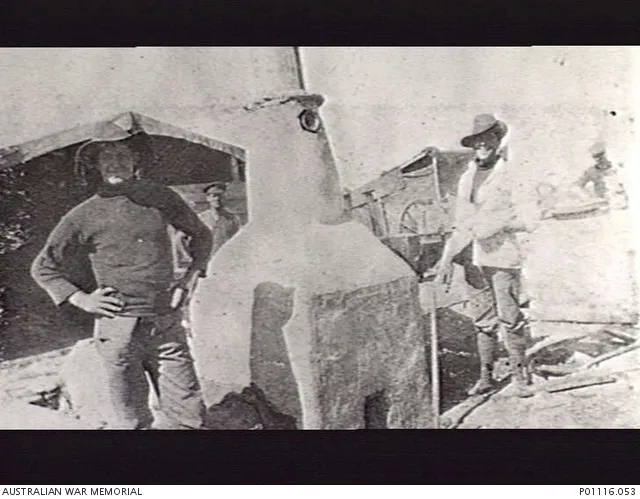
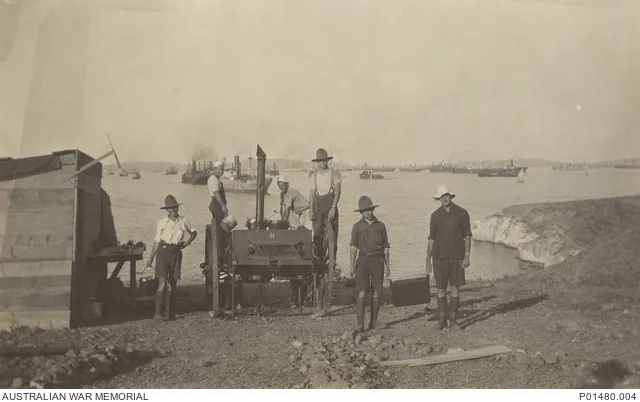
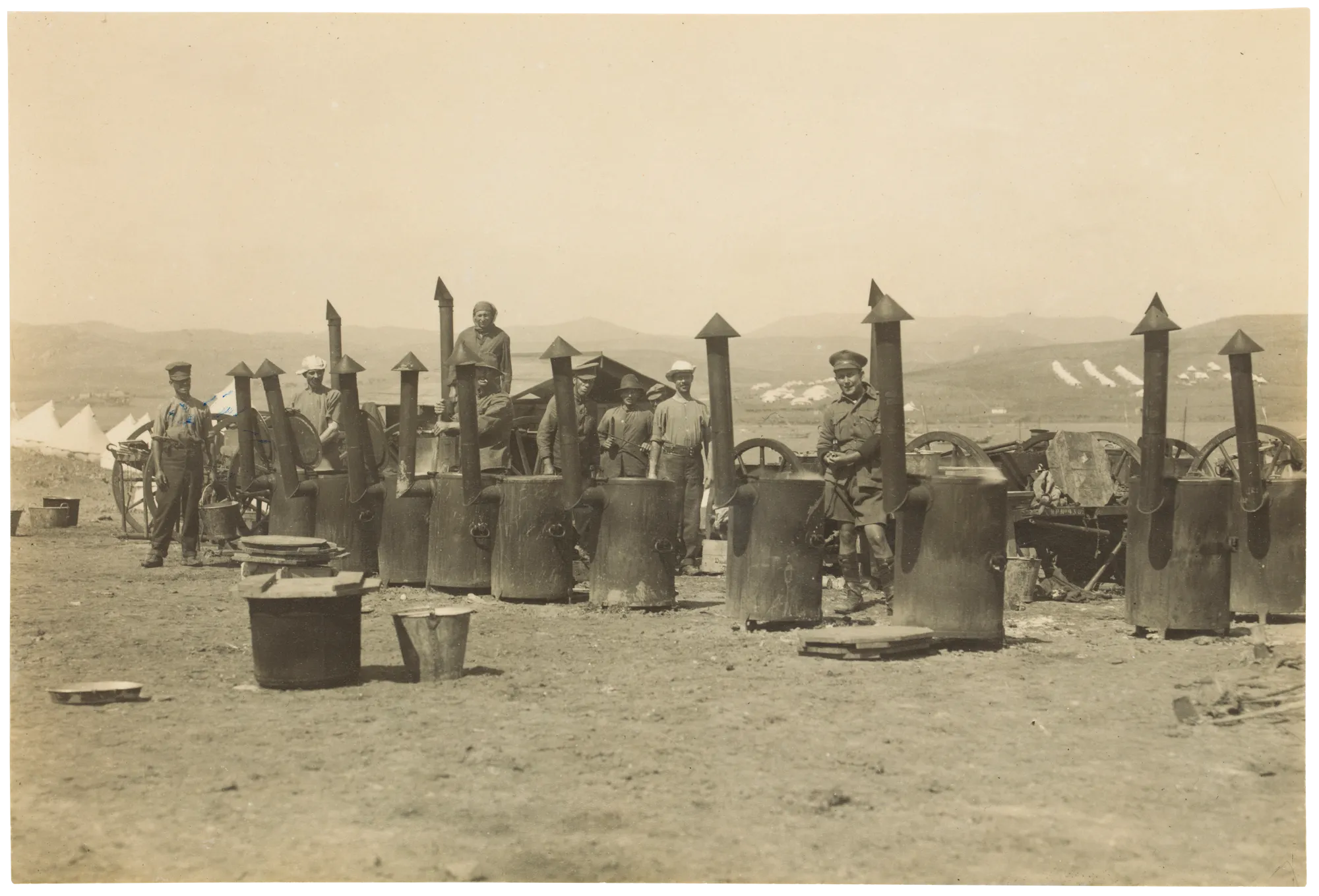
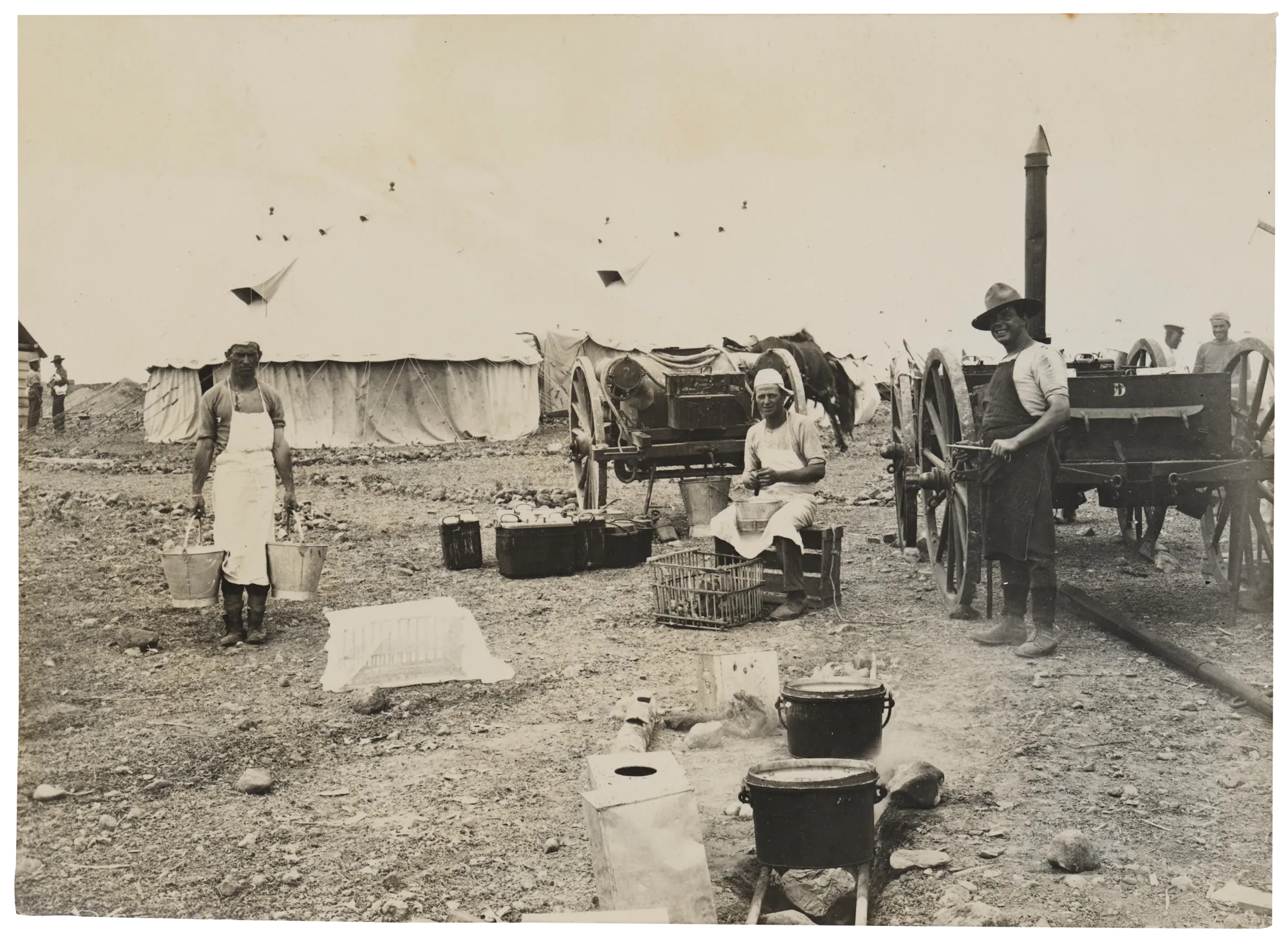
Photographs show field kitchens at West Mudros, and at Sarpi Rest Camp, bakers and butchers helped feed the troops and personnel. Hot meals were also prepared using travelling cookers loaned from frontline units. Compared with Gallipoli, the food may have appeared plentiful.
Sometimes locals visiting the camps sold goods such as oranges, walnuts and figs, just as they did in the villages. In time, however, authorities put a stop to trading in Sarpi Rest Camp. In November, the Red Cross established a canteen. And at one point, the padre set up a stall selling goods at cost, such as the currant rock cakes that he’d baked in the cook house.
‘I am better not eating than eating rotten food.’
– Sister Betha McMillan, letter, 28 Aug. 1915
‘We don’t want for much.’
– Private Thomas Gardner, letter, 16 Sept. 1915