Treatment
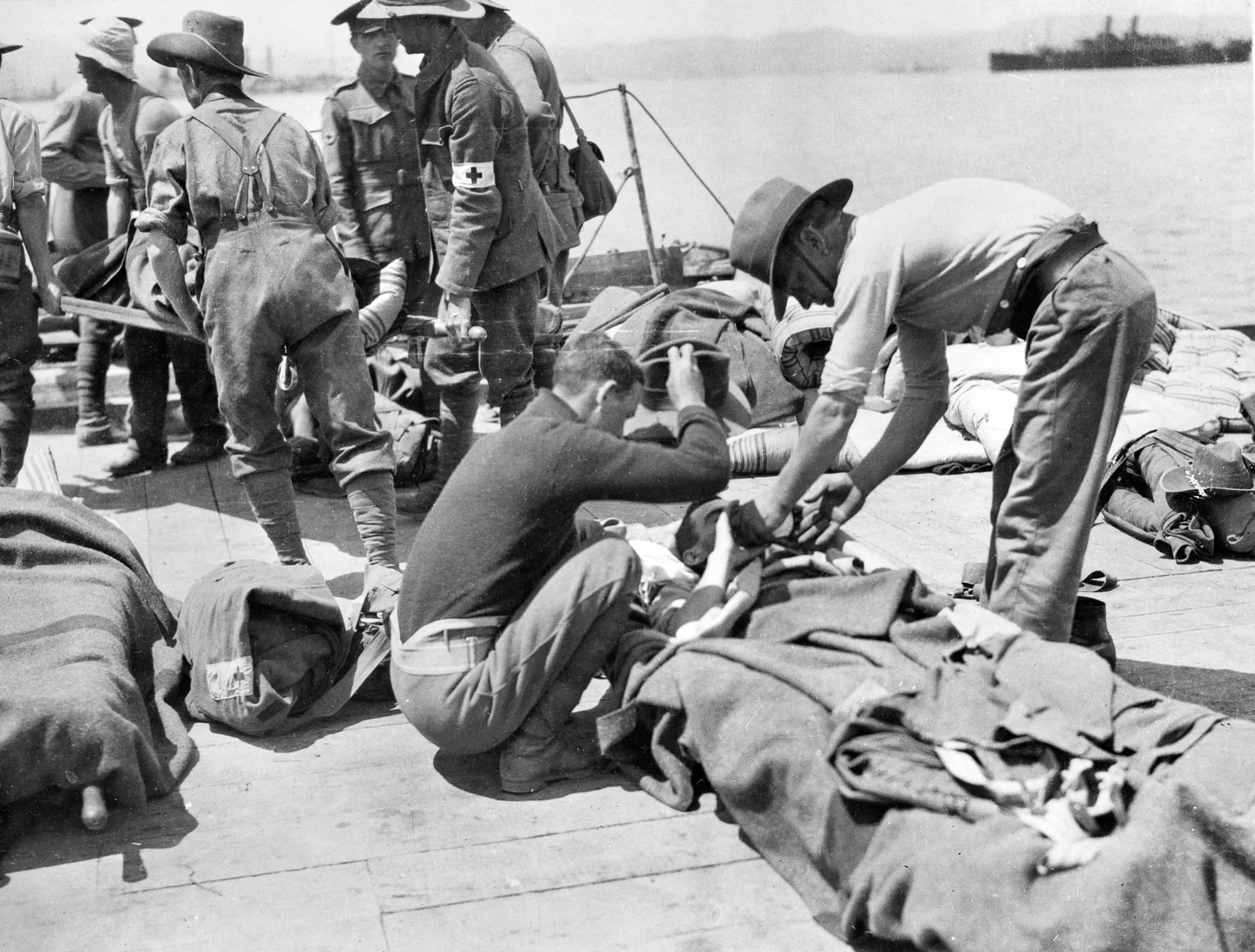
When 3AGH arrived on Lemnos, gunshot wounds were a chief cause of patient deaths. From later in August, sickness dominated.
The uncovered toilets, animal manure and unburied bodies at Gallipoli were ideal for flies to breed in their millions. They quickly spread contagious diseases such as dysentery and enteric fever (typhoid). This led to many evacuations for treatment, and some men died.
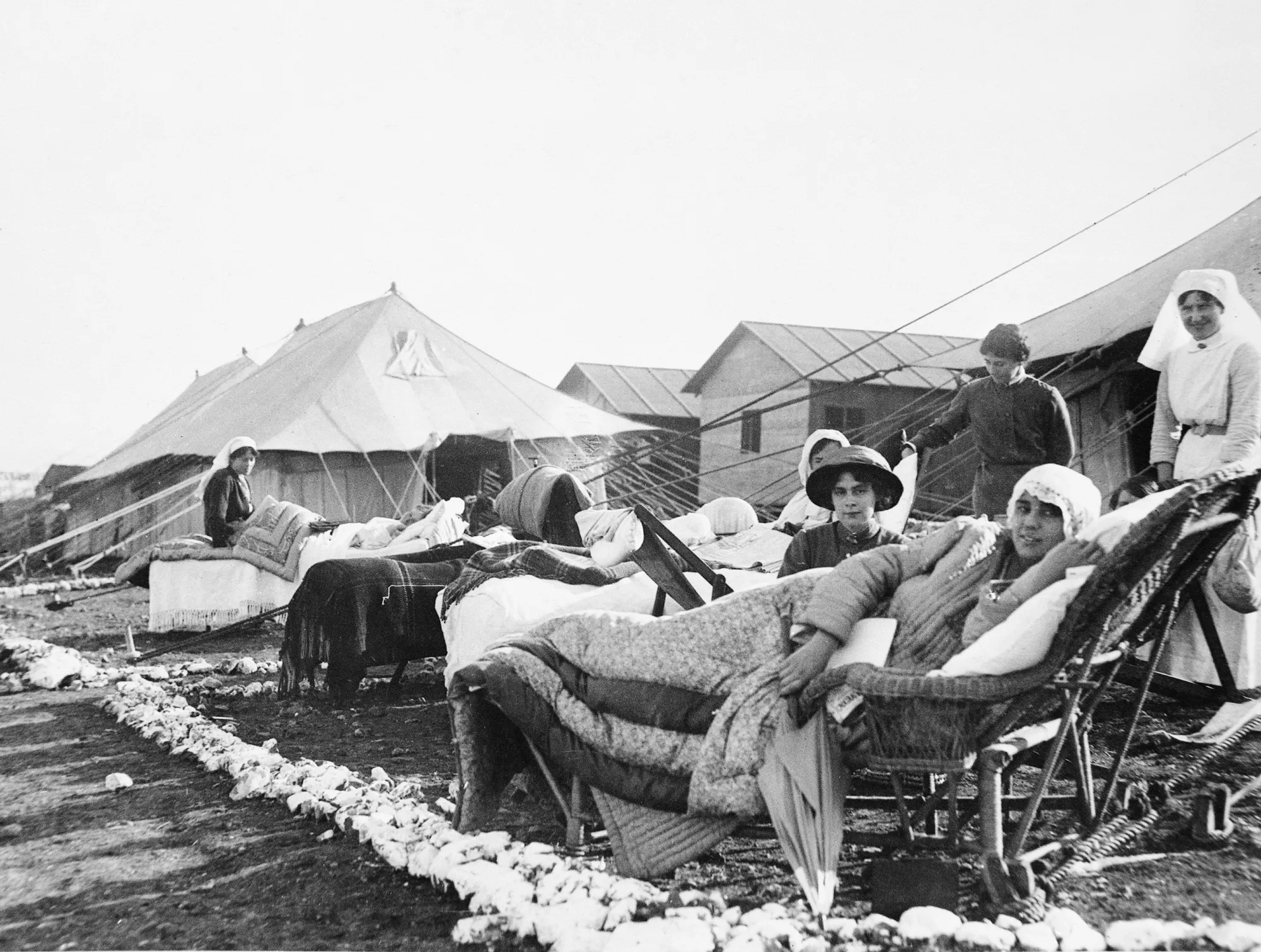
At 3AGH, paratyphoid A and B, jaundice and scurvy were all common. Dysentery was prevalent among both Gallipoli evacuees and Lemnos personnel. With little fresh water available for washing and the relentless flies, it was hard to avoid, even for hospital staff. They nicknamed the disease ‘Lemnositis’.
‘The laundry is one of our greatest difficulties here. We are allowed a gallon of water a head per day. It doesn’t go far when you do your own washing – so we study economy.’
– Staff Nurse Anne Donnell, letter, 9 Dec. 1915
PATHOLOGY
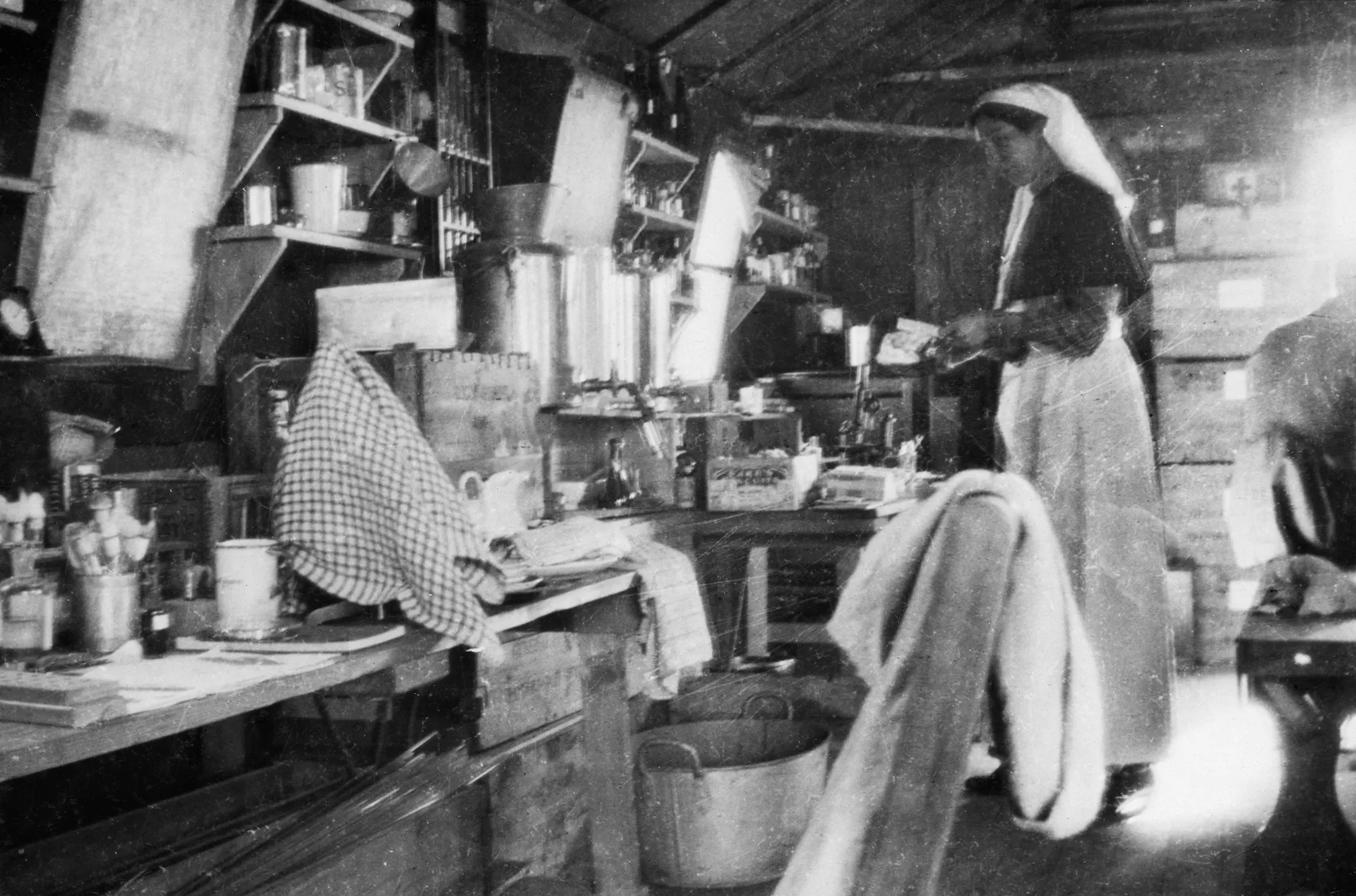
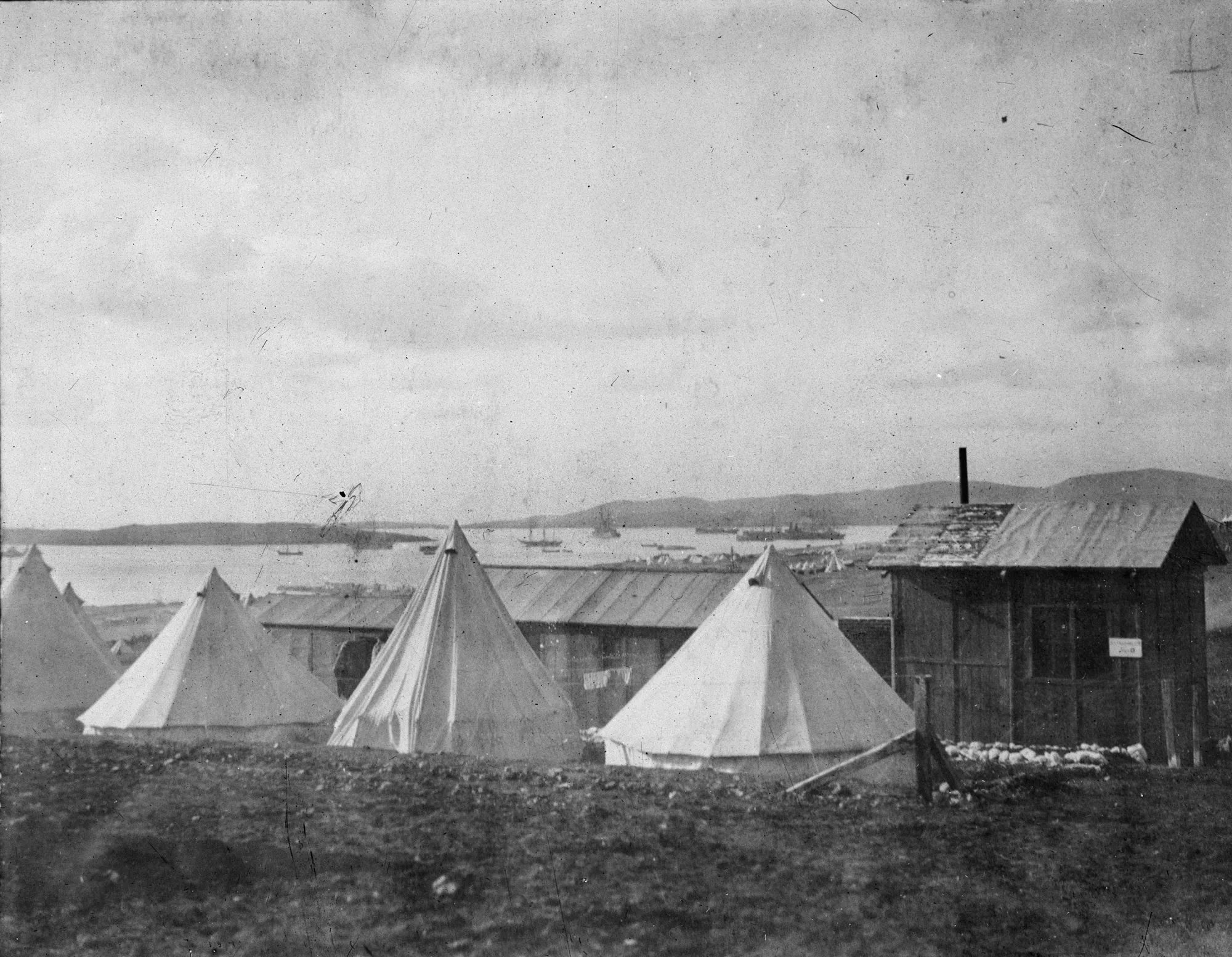
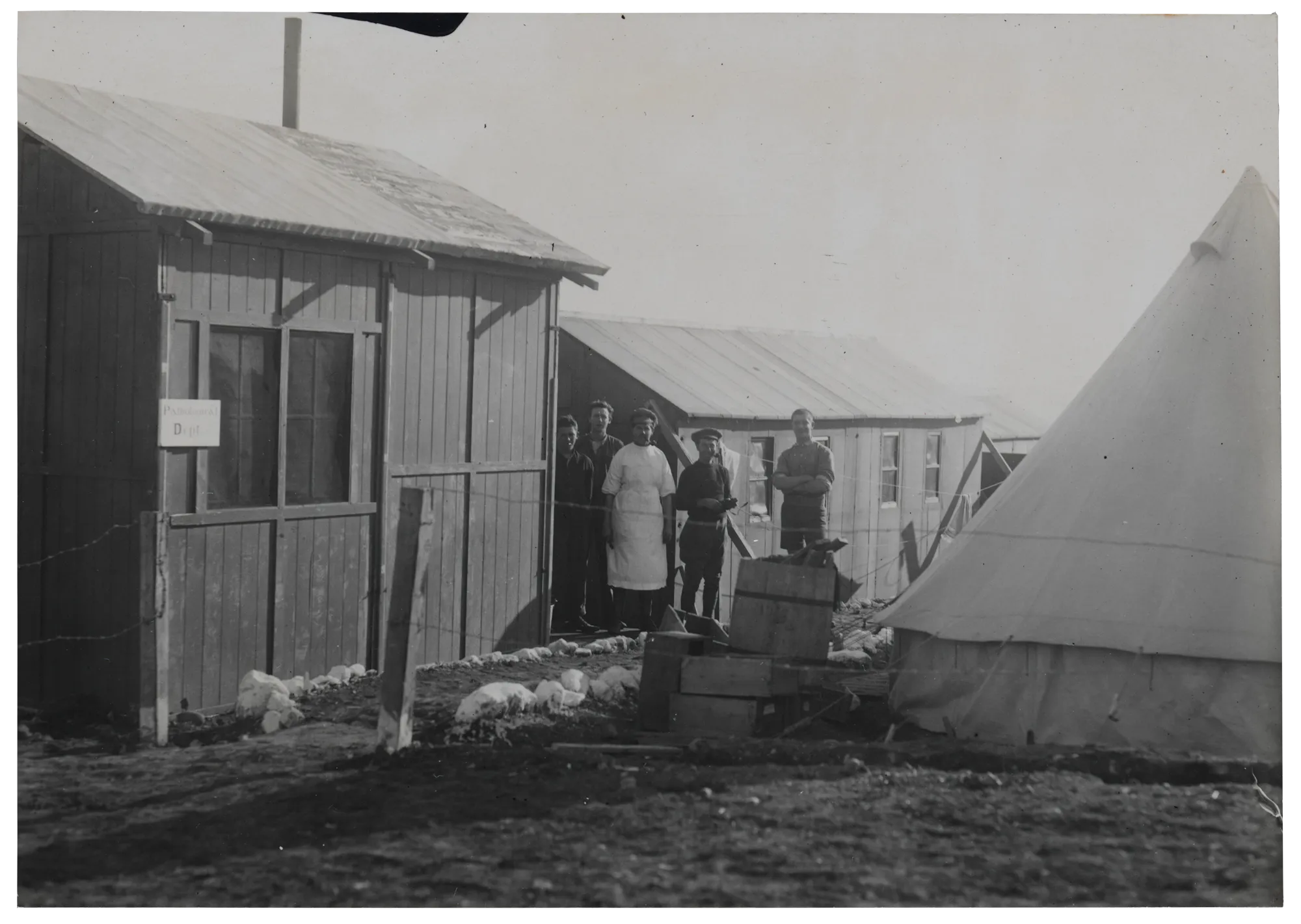
The pathology laboratory undertook ground-breaking research at 3AGH, drawing on the cases the hospital treated. Its research into typhoid-related diseases was especially fruitful. This led to a typhoid–paratyphoid mixed vaccine.
A member of the AANS, bacteriologist Staff Nurse Fannie E. Williams was part of the lab team. She was the only Australian woman to serve in this role during the First World War and was awarded the decoration of the Royal Red Cross in recognition of her valuable services with armies in the field.
RADIOLOGY
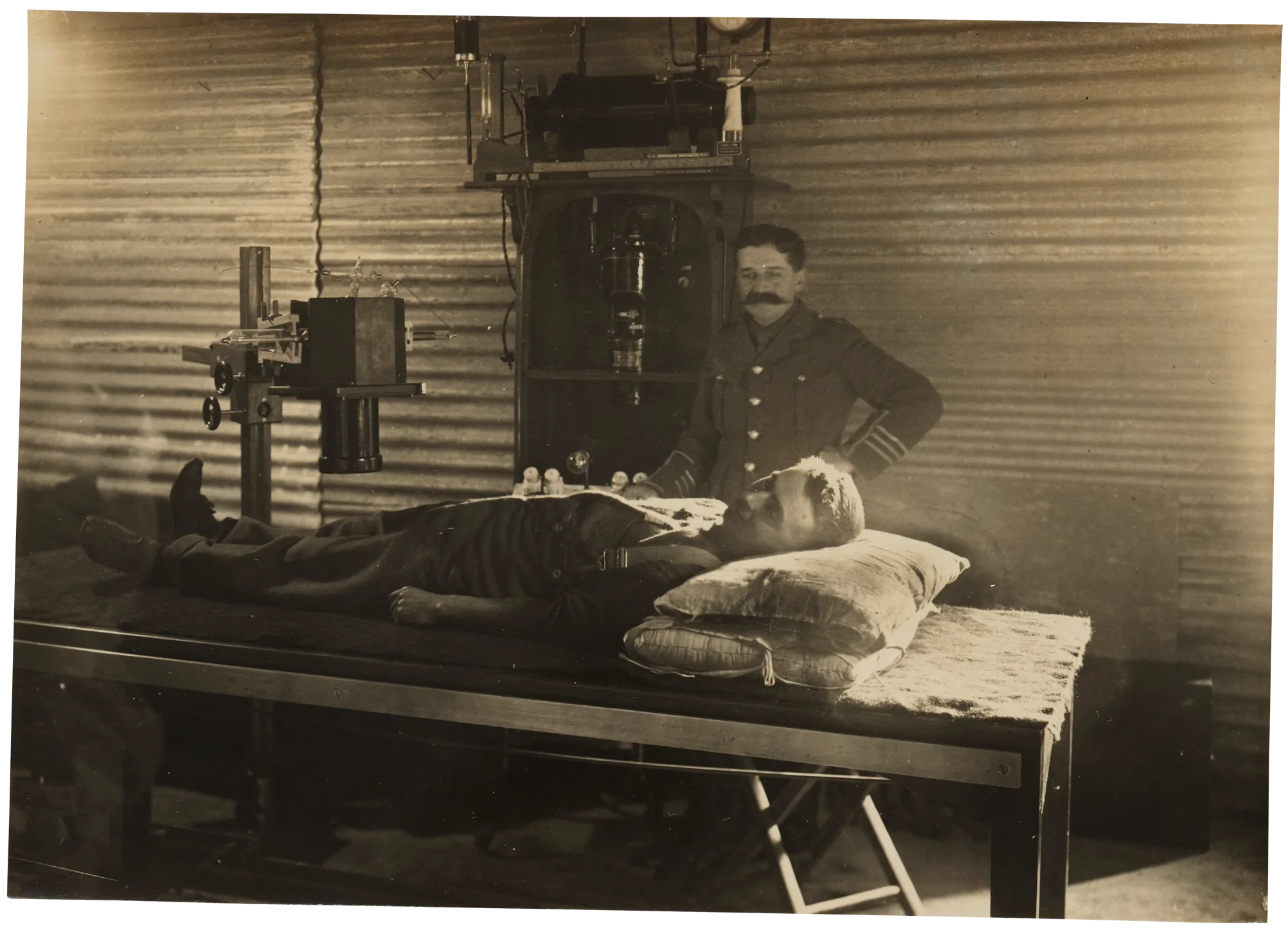
X-ray technology had existed for just 20 years at the outbreak of the war.
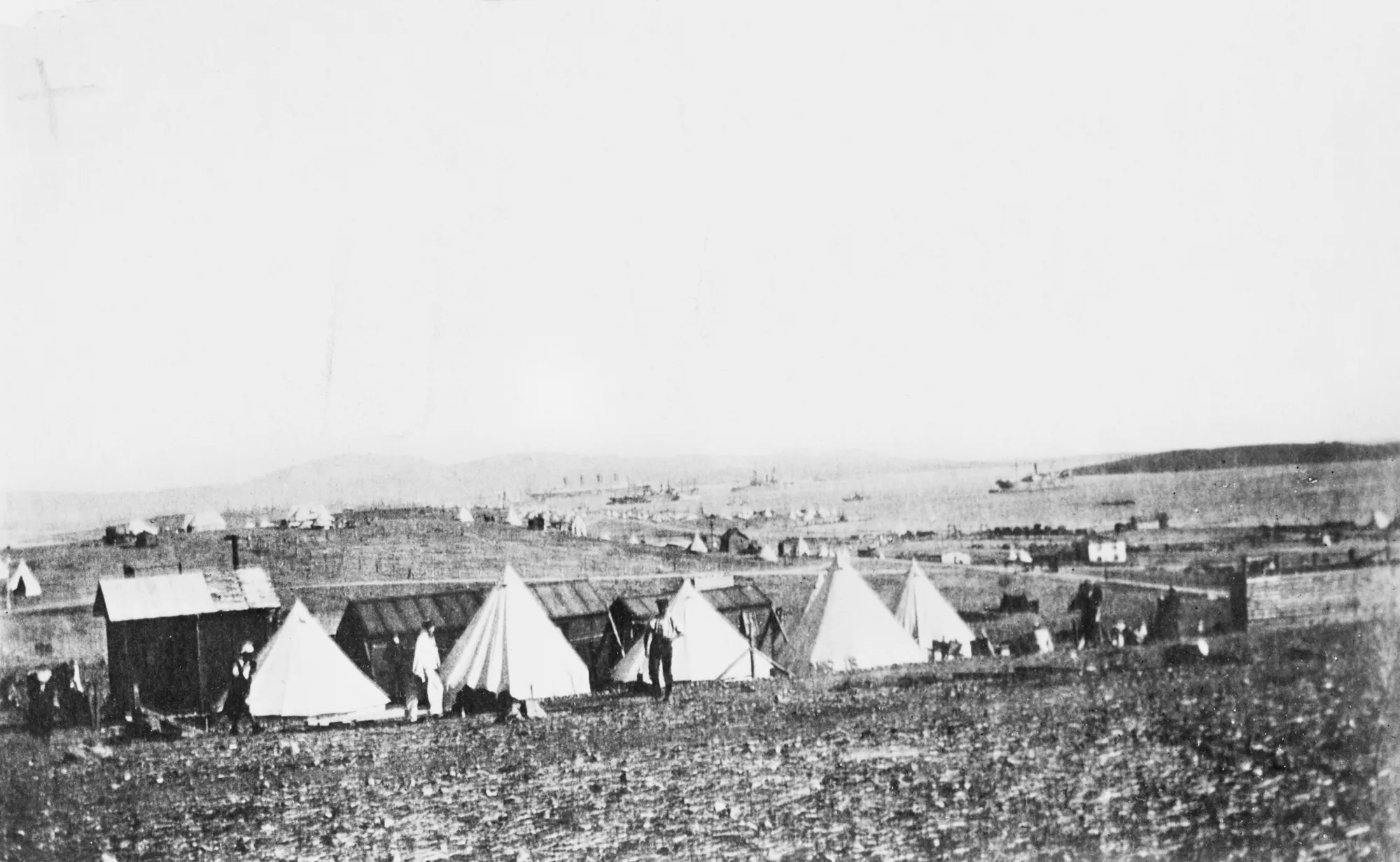
Renowned radiologist Dr Lawrence Herschel Harris ran 3AGH’s X-ray facility. Initially, 1ASH was the only hospital on Lemnos to have an X-ray unit, so it was used for casualties being treated in other medical facilities.
Harris and his colleague Private Albert Savage were also keen photographers, and both visually documented life and conditions on Lemnos.
OPTHALMOLOGY
Eye health was essential for all personnel. Major John Lockhart Gibson led an ophthalmic clinic at 3AGH. It treated patients of all Allied hospitals on Lemnos. The clinic also treated other service personnel and members of the civilian population.
The clinic was first housed in a marquee at 3AGH, but moved to a purpose-built hut of around 7.3 x 3.5 metres. It was equipped with instruments purchased through funds from the Queensland division of the Australian Red Cross.
DENTISTRY
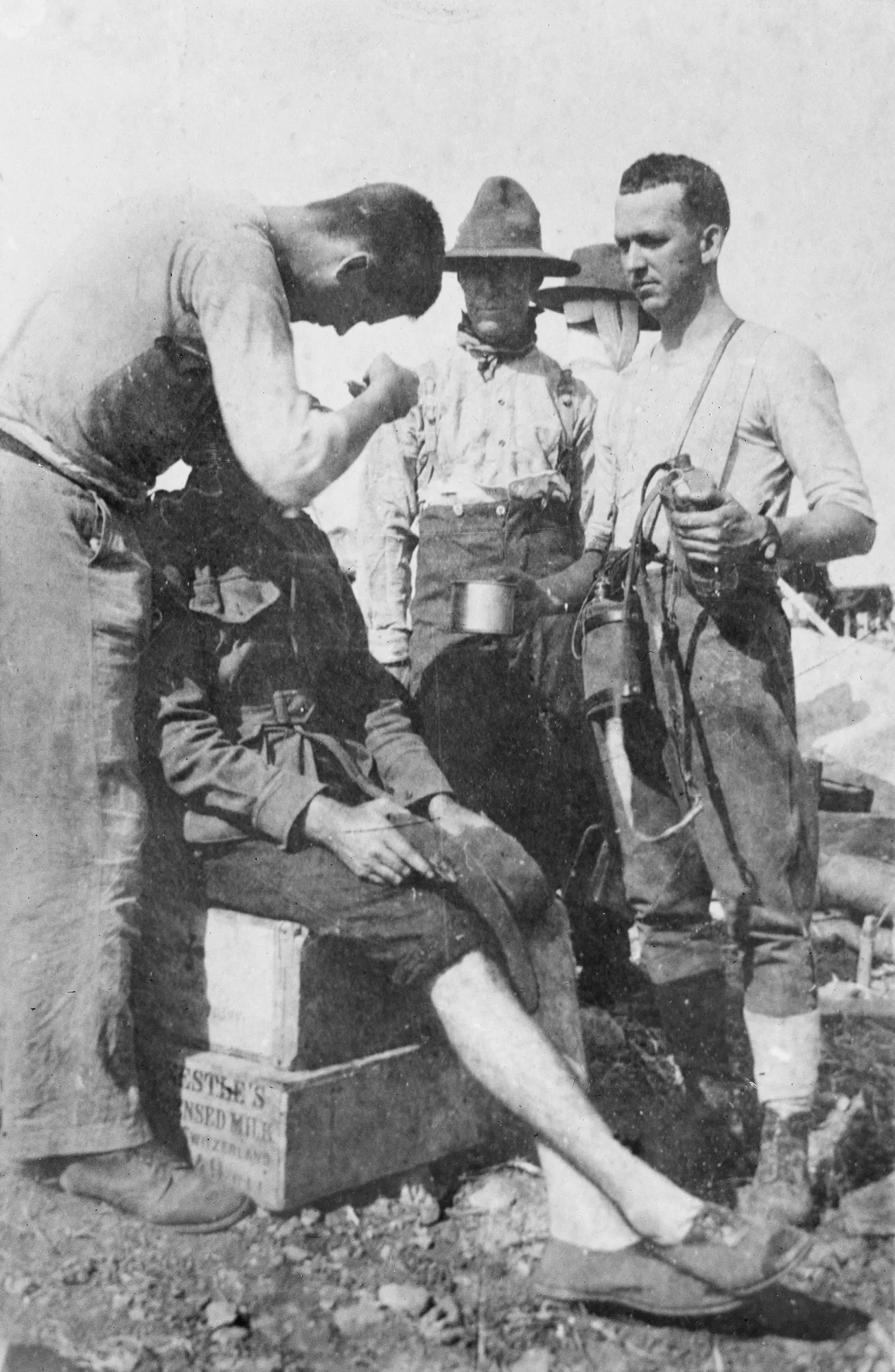
Although good dental health was compulsory at AIF recruitment, the need for dentistry services during the war was immense. This was partly due to the diet of troops, especially the damage done by the hard biscuits in soldier rations. In the first three months of the Gallipoli campaign, dental issues led to the evacuation of an estimated 600 men.
On Lemnos, dental services were provided at 1ASH before the landings took place. Hospital commander Colonel Bryant described this work as ‘invaluable to both the Navy and Army’.
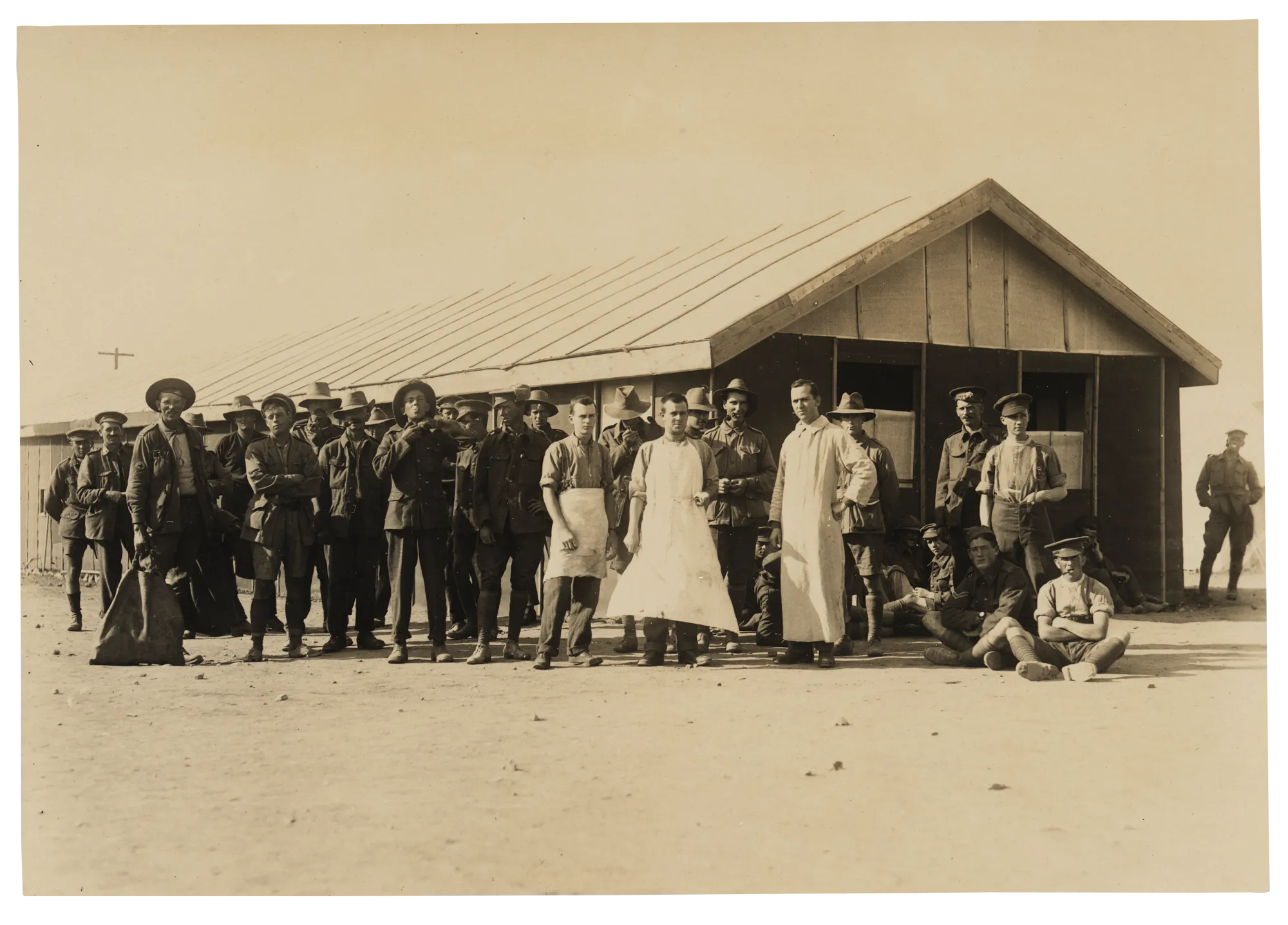
From August, the dental unit at 3AGH operated with two Australian dentists, one of whom was Lieutenant Frank Marshall. Its three surgeries were eventually housed in weatherboard huts. These had concrete floors and white calico windows to keep out the dust, rain and flies, and the Red Cross funded the equipment.
Between September and December, the dental unit treated around 1,380 military and naval personnel. It also treated men from the Egyptian, Greek and Maltese Labour Corps, as well as Turkish prisoners of war.
Tooth extractions were common. Other typical treatments included scalings, crowns and the repair and creation of dentures.
SHELL-SHOCK
For most troops, Gallipoli was their first exposure to the terror of warfare. Many suffered from shell-shock, or neurasthenia, what we’d now call PTSD (post-traumatic stress disorder). Nurses, too, suffered from the awful strain of tending horrific wounds and witnessing bombardments.
‘The soldier was given a few days to “settle down” and then encouraged to whisper so normal speech would return, but it was noted that progress was compromised if the soldier experienced another shock during his recovery. The introduction of “Corps Rest Stations” [such as Sarpi Rest Camp] gave the frontline soldier a chance to recover from the bombardment of battle and reduce the likelihood of symptoms becoming chronic.’
– Ruth Rae (historian), Veiled Lives, p. 177